Bus Stop Infrastructure Project

| Project Name: | Bus Stop Infrastructure Project |
|---|---|
| Company/Organization: | |
| Project Partners: |
|
| Project Category: |
|
| Awards: | AmCham Awards 2025 nominee in the Community Service category. |
| Project Timeframe: | 2025 - ongoing |
| Project Geography: | Almaty Region, Almaty (city) |
| Brief Project Description: | The project resulted in a lasting improvement of public infrastructure and community wellbeing in the Karasai district of Almaty region. By installing, safe, and comfortable bus stop complexes, the initiative enhanced daily convenience for residents, workers, and guests, ensuring shelter and accessibility for passengers. As of 2025, 12 modern stops have been built in the Yeltai rural district. The outcome is sustainable, as the infrastructure serves thousands of people every year, directly improving mobility and quality of life. The project demonstrates how corporate responsibility initiatives can create tangible, long-term benefits for both local communities and regional development. |
| Problem Statement: | The project highlights an important dimension of CSR: addressing everyday needs such as accessibility, safety, and comfort. |
| Objectives: | The project resulted in a lasting improvement of public infrastructure and community wellbeing in the Karasai district of Almaty region. By installing, safe, and comfortable bus stop complexes, the initiative enhanced daily convenience for residents, workers, and guests, ensuring shelter and accessibility for passengers. As of 2025, 12 modern stops have been built in the Yeltai rural district. |
| Key Results: | • As of 2025, 12 modern stops have been built in the Yeltai rural district. • The outcome is sustainable, as the infrastructure serves thousands of people every year, directly improving mobility and quality of life. • Quantitatively, the installation of 12 bus stop complexes in Yeltai rural district stands as a clear metric of success. • Each stop provides safe waiting areas for hundreds of daily passengers, including workers, students, and local residents, demonstrating practical utility and continuous use. |
| Budget: | 17800 |
| Key Activities: | The project’s success was achieved through the systematic installation of modern, fully equipped bus stop complexes in Almaty region. In 2025, two additional stops were installed along Tsentralnaya Street in the Karasai district, raising the total number to twelve in Yeltai rural district. Each bus stop was designed with durability and comfort in mind, featuring protective shelters, seating, and branding elements that reflect the partnership with the company. The initiative has been implemented for several years in close collaboration with local authorities, NGOs, and community representatives. Coordination ensured that locations were carefully selected to maximize accessibility for residents, including factory employees, students, and commuters. Beyond infrastructure, the project provided financial support for design, construction, and maintenance, amounting to nearly 3.8 million KZT in 2025. It was recognized as socially significant and tax-exempt under national legislation on non-commercial projects. Public gratitude letters from NGOs such as PosadiDerevo.KZ confirmed that the initiative addressed real community needs and created visible improvements in public services. These specific outputs — construction, financial sponsorship, and multi-stakeholder coordination — transformed the project from a one-time action into an impactful and recognized community development program with measurable benefits. |
| Key Learnings and Recommendations: | The partnership with NGOs, such as PosadiDerevo.KZ, underscores the collaborative nature of the project. Each branded bus stop represents the company’s long-term commitment to the district, reinforcing bonds of trust with local authorities and residents. The project also sets a precedent for replication in other regions of Kazakhstan, positioning it as a scalable model of CSR-driven infrastructure development that combines tangible benefits with corporate accountability and stakeholder engagement. |
| Photographs: | 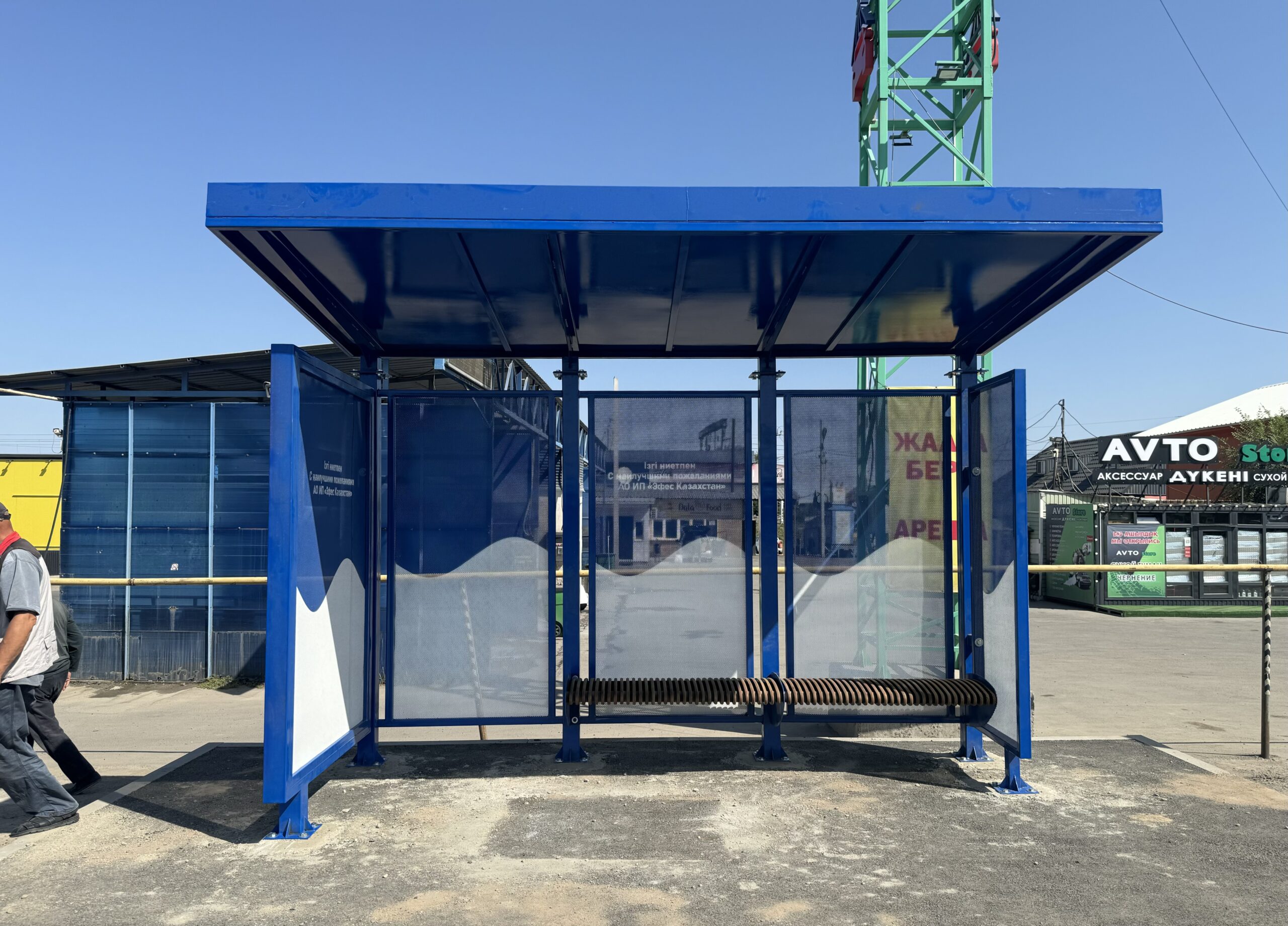 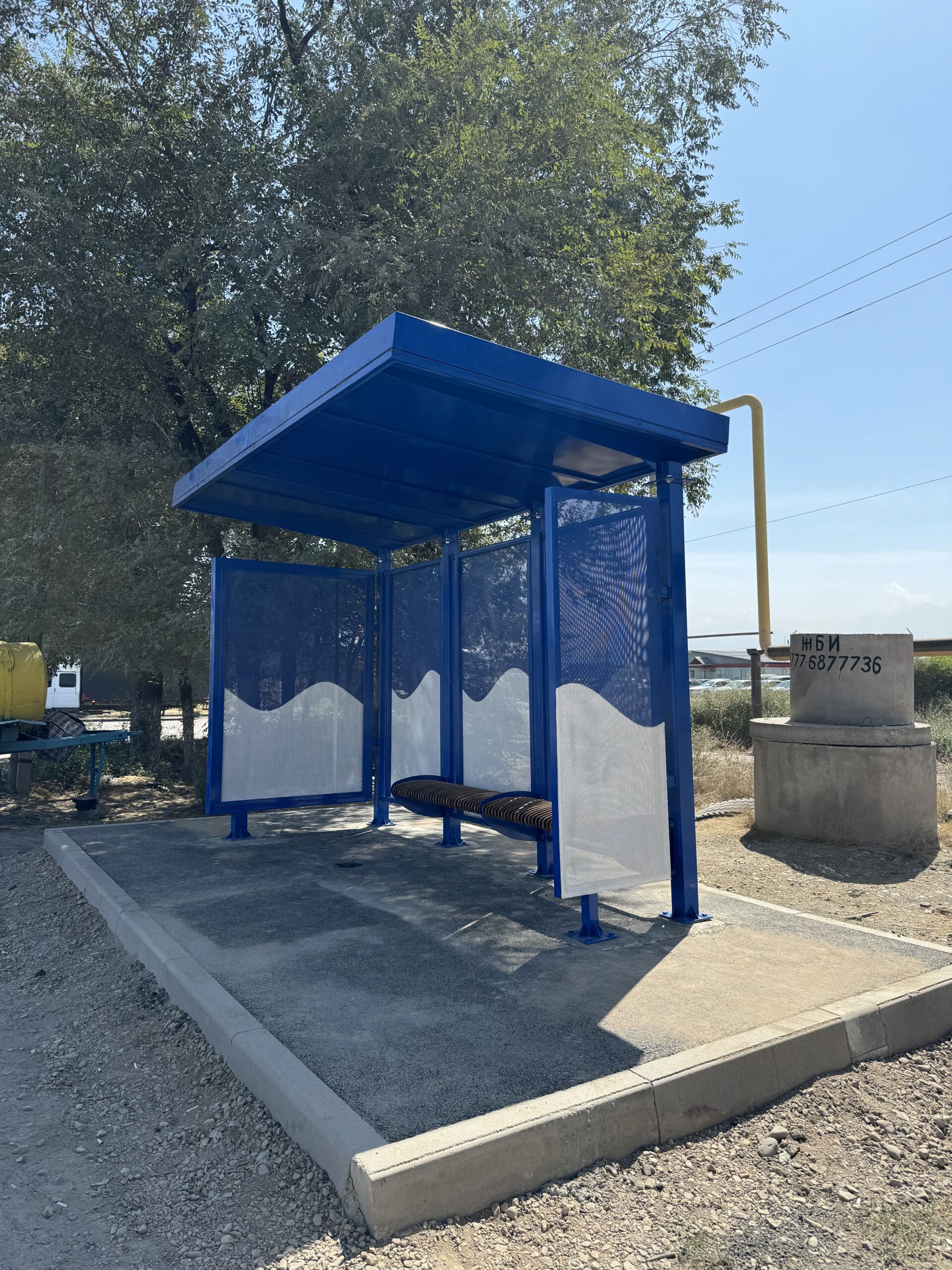 |
| Links to Media Coverage or Additional Materials: |

AmCham publishes information provided by its members and does not independently verify its accuracy or completeness. The views and claims expressed are those of the contributing organizations and do not necessarily reflect the position of AmCham.