Nestlé for Healthier Kids

| Project Name: | Nestlé for Healthier Kids |
|---|---|
| Company/Organization: | |
| Project Partners: |
|
| Project Category: |
|
| Awards: | AmCham Awards 2025 nominee in the Community Service category. |
| Project Timeframe: | 2013 - ongoing |
| Project Geography: | Nationwide |
| Brief Project Description: | The program "Nestlé for Healthier Kids" is supported by the state education authorities and has a sustainable impact on the formation of a culture of healthy nutrition among more than 320 000 pupils in Kazakhstan and Uzbekistan. Through educational courses, interactive activities, and PR campaigns, the project helped change children's eating behaviors and raised awareness among parents and educators. The program received official approval from the Ministries of Education and became part of the educational environment, ensuring a long-term contribution to the health of future generations. |
| Problem Statement: | The actual nutrition of modern children and adolescents significantly deviates from the standards of “healthy eating,” and nutrition-related diseases are among the most widespread both among adults and children. A number of researchers consider this situation critical. According to the National Report based on the study “Health Behaviour in School-aged Children” (HBSC, 2023): Daily physical activity decreased over a four-year period from 34% to 32.4%; 61.1% of children eat breakfast on weekdays, but by age 15, 30.8% of girls and 18.0% of boys never eat breakfast on weekdays; 26.5% of adolescents eat fruit daily, and 36.1% eat vegetables daily; 14.4% of adolescents consume sugary carbonated drinks daily, and 66.6% weekly; • Insufficient level of knowledge about proper nutrition in the families of modern schoolchildren"(Article by T.V. Yezhova “School of Healthy Nutrition: 10 Years of Successful Work in Kazakhstan.” Journal “Education for All,” No. 4, 2023, pp. 9–11. The journal issue is attached The absence of effective educational technologies in school practices that would help students develop real-life skills for a healthy lifestyle and proper nutrition. • The absence of effective educational technologies in school practices that would help students develop real-life skills for a healthy lifestyle and proper nutrition. |
| Objectives: | The UN defines as one of the main goals in the field of sustainable development - "Ensuring a healthy lifestyle and promoting well-being." Our program helps you meet this global challenge by: - to raise the level of health culture among the younger generation by developing and implementing special educational tools in schools aimed at forming healthy eating habits and a readiness to take care of their own health among primary school children. Target indicators: project coverage (at least 15% of the number of primary school students in Kazakhstan and Uzbekistan), changes in student behavior (at least 80% of project participants show positive behavioral changes related to nutrition and a healthy lifestyle). - attracting public and governmental attention to the issues of proper nutrition and the promotion of a healthy lifestyle. (Media coverage of educational and PR activities in Kazakhstan and Uzbekistan – approximately 100 million OTS annually) Project tasks: • Development of an effective educational model for forming healthy eating habits and a healthy lifestyle among primary school students, fully aligned with the educational standards of Kazakhstan and Uzbekistan and easily integrated into the activities of educational institutions. • Providing schools with accessible educational resources that enable them to effectively promote healthy eating habits and a healthy lifestyle among primary school students. • Engaging governmental, scientific, and public organizations at both federal and regional levels, and developing partnerships that promote the effective dissemination of a health culture and proper nutrition in society. • Promoting the idea in society that specialized education is a key mechanism for improving health levels. |
| Key Results: | • In 2015, 2018, and 2024, studies were conducted with schoolchildren before and after participating in the program. • In 2024, a survey of 200 children confirmed the effectiveness of the digital format. • In 2018, a comparison between participants and non-participants showed significant improvements in eating habits among the former. • Total reach exceeded 250 000 children in Kazakhstan and 70 000 in Uzbekistan. |
| Key Activities: | The program began with the development of methodology and educational materials in collaboration with experts and Ministries of Education. Training seminars were organized for teachers, and schools were provided with printed and digital resources free of charge. Implementation included contests for children, parents, and educators, such as culinary, environmental, and creative events. Dedicated websites – www.prav-pit.kz and www.prav-pit.uz – were launched to provide open access to materials. PR campaigns reached hundreds of millions of views. The program expanded through partnerships with governmental, scientific, and public organizations. In 2024, we signed a tripartite Memorandum of Cooperation within the framework of the program between Nestlé in Uzbekistan, the Ministry of Preschool and School Education of Uzbekistan and the Ministry of Ecology, Environmental Protection and Climate Change of Uzbekistan. Special attention was given to engaging parents through family contests and events. Since 2023, the program transitioned to a digital format, allowing for broader reach and more interactive learning. All initiatives aimed to build sustainable habits and raise awareness about healthy lifestyles. |
| Key Learnings and Recommendations: | Thanks to its flexible structure and digital tools, the program is easily scalable and adaptable to new conditions, ensuring long-term impact. |
| Photographs: |  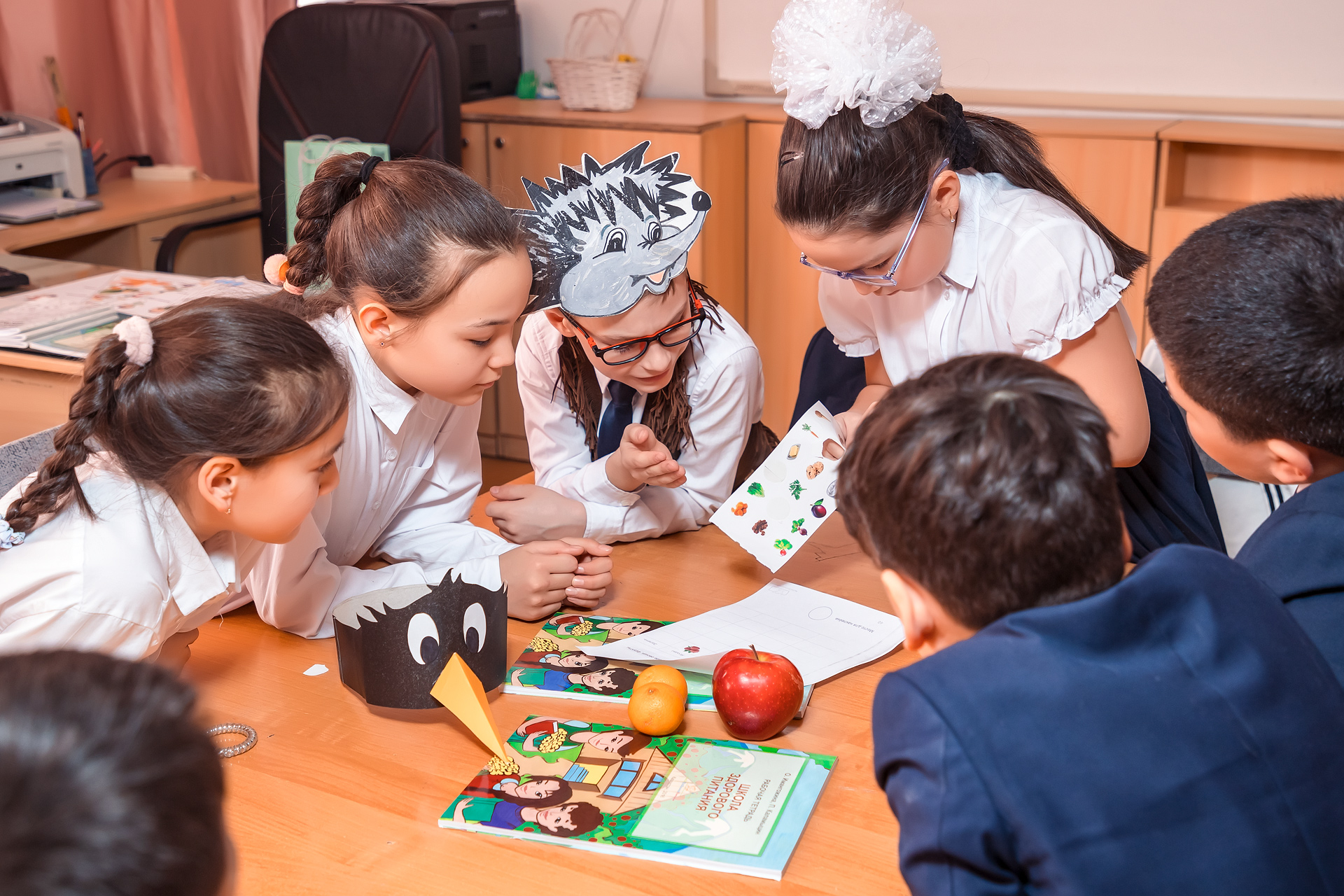 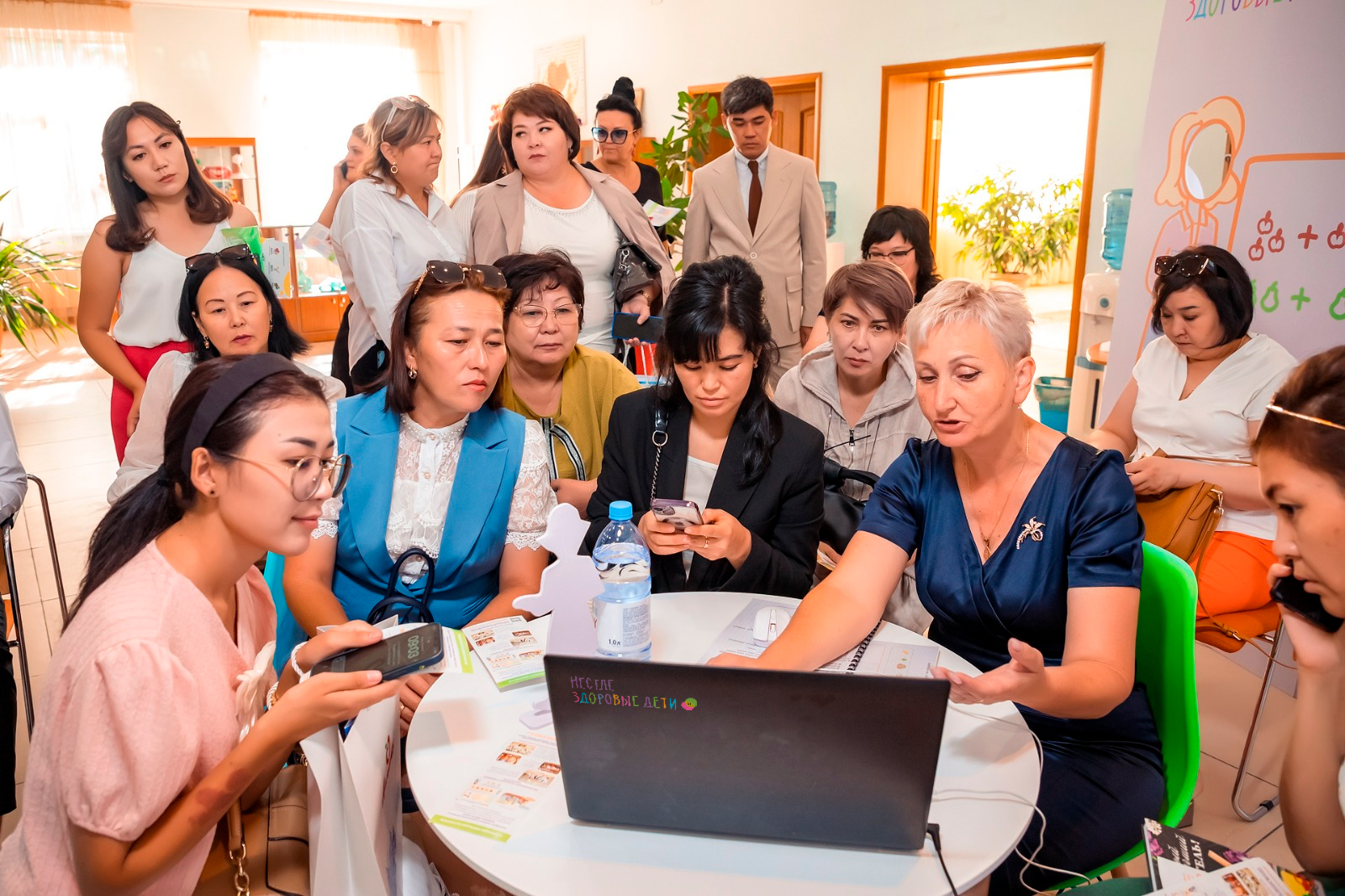 |
| Links to Media Coverage or Additional Materials: | |
| Contact Information: |
|
AmCham publishes information provided by its members and does not independently verify its accuracy or completeness. The views and claims expressed are those of the contributing organizations and do not necessarily reflect the position of AmCham.