Sustainability in Education and Operations

| Project Name: | Sustainability in Education and Operations |
|---|---|
| Company/Organization: | |
| Project Partners: |
|
| Project Category: |
|
| Awards: | AmCham Awards 2025 nominee in the Environment category |
| Project Timeframe: | 2010 - ongoing |
| Project Geography: | Almaty (city) |
| Brief Project Description: | Haileybury Almaty has achieved lasting impact as a sustainability leader in Central Asia. In 2024–2025, we became the first school in the region to ban single-use plastics and earned Green Flag Eco-Schools accreditation (re-accredited in 2025). Sustainability is embedded across teaching, campus operations, and culture, ensuring every student (ages 4–18) participates in eco-projects. More than 800 students annually take part in initiatives such as eco-symposiums, composting, recycling, and sustainable entrepreneurship. Partnerships with Mossy Earth, Altyn Dala, and global networks amplify our work. The lasting effect is a generation of eco-conscious leaders prepared to continue sustainable practices beyond school |
| Problem Statement: | Environmental challenges - including plastic waste, excessive resource consumption, biodiversity loss, and limited awareness of sustainable practices - require schools to prepare students to become responsible global citizens. As a large educational community serving students aged 4–18, Haileybury Almaty recognised both its environmental footprint and its responsibility to model sustainable behaviour. The project was initiated to embed sustainability throughout the curriculum, campus operations, student leadership, and community engagement rather than treating it as a series of isolated activities. It also responded to the need for practical opportunities through which students could understand the UN Sustainable Development Goals and translate learning into measurable action. The initiative brings together students, staff, families, external partners, and international school networks to reduce waste, improve biodiversity, conserve resources, and encourage long-term behavioural change. |
| Objectives: | • Embed sustainability and the UN Sustainable Development Goals across teaching and school culture. • Eliminate single-use plastic bottles and reduce waste across the campus. • Engage every student in age-appropriate environmental projects and leadership opportunities. • Promote recycling, composting, biodiversity, and responsible consumption. • Develop students’ capacity to design and lead practical sustainability initiatives. • Strengthen collaboration with families, environmental organisations, and international schools. • Measure the School’s environmental progress through the Eco-Schools framework and maintain Green Flag accreditation. |
| Key Results: | • 100% elimination of single-use plastic bottles across campus. • 500+ trees and plants added over three years. • 800+ students annually engaged in sustainability programmes. • Participation of 50+ international schools through the eJAWS conference hosted by Haileybury Almaty. |
| Key Activities: | - Education & Leadership: Junior School “Global Guardians,” No-Waste Wednesdays, Switch Off Campaign, and Eco-Assemblies. Senior Eco-Committee and Scholars for Sustainability led peer-to-peer SDG teaching and exhibitions. - Curriculum Integration: SDGs linked to all subjects, with PSHE lessons and an SDG-HPL goals wheel in every classroom. The “Green Ticket” system rewards sustainable behaviours. - Operations: First in Central Asia to eliminate single-use plastics. Campus recycling stations, compost bins, and seasonal planting (vegetables, trees, flowers). Transport Week promoted sustainable travel. - Community & Events: 2025 Annual Eco-Symposium (Junior & Senior) with workshops and exhibitions featuring Narxoz University, Almaty Air Initiative, and eco-conscious companies. Call to Earth Day pledges made by students and families. - Global Engagement: Hosted FOBISIA eJAWS Sustainability Conference 2024 with 50+ attendees from 51 schools. Collaborations with Mossy Earth and the Altyn Dala Conservation Initiative expanded real-world impact. - Innovation: During Entrepreneurship Week 2025, students designed sustainable cities in partnership with 8billionideas. Together, these actions integrated sustainability into daily school life and strengthened both local and global engagement |
| Key Learnings and Recommendations: | The project demonstrated that sustainability is most effective when embedded across the curriculum, campus operations, student leadership, and community engagement. Student-led initiatives, including Eco-Committees, peer-to-peer teaching, and practical campaigns, helped translate sustainability concepts into everyday behaviour. Clear and measurable goals - such as eliminating single-use plastic bottles, expanding recycling, and increasing campus planting - made progress visible and encouraged participation. Partnerships with environmental organisations, universities, families, and international schools strengthened expertise and extended the project’s impact beyond the campus. Going forward, the School should continue monitoring environmental outcomes through measurable indicators, expand student leadership opportunities, and strengthen systems for evaluating waste reduction, recycling, biodiversity, and resource use. Successful initiatives should be documented and shared across international school networks. Regular communication with families and staff will also be essential to sustaining behavioural change and ensuring that environmental responsibility remains part of daily school culture. |
| Photographs: | 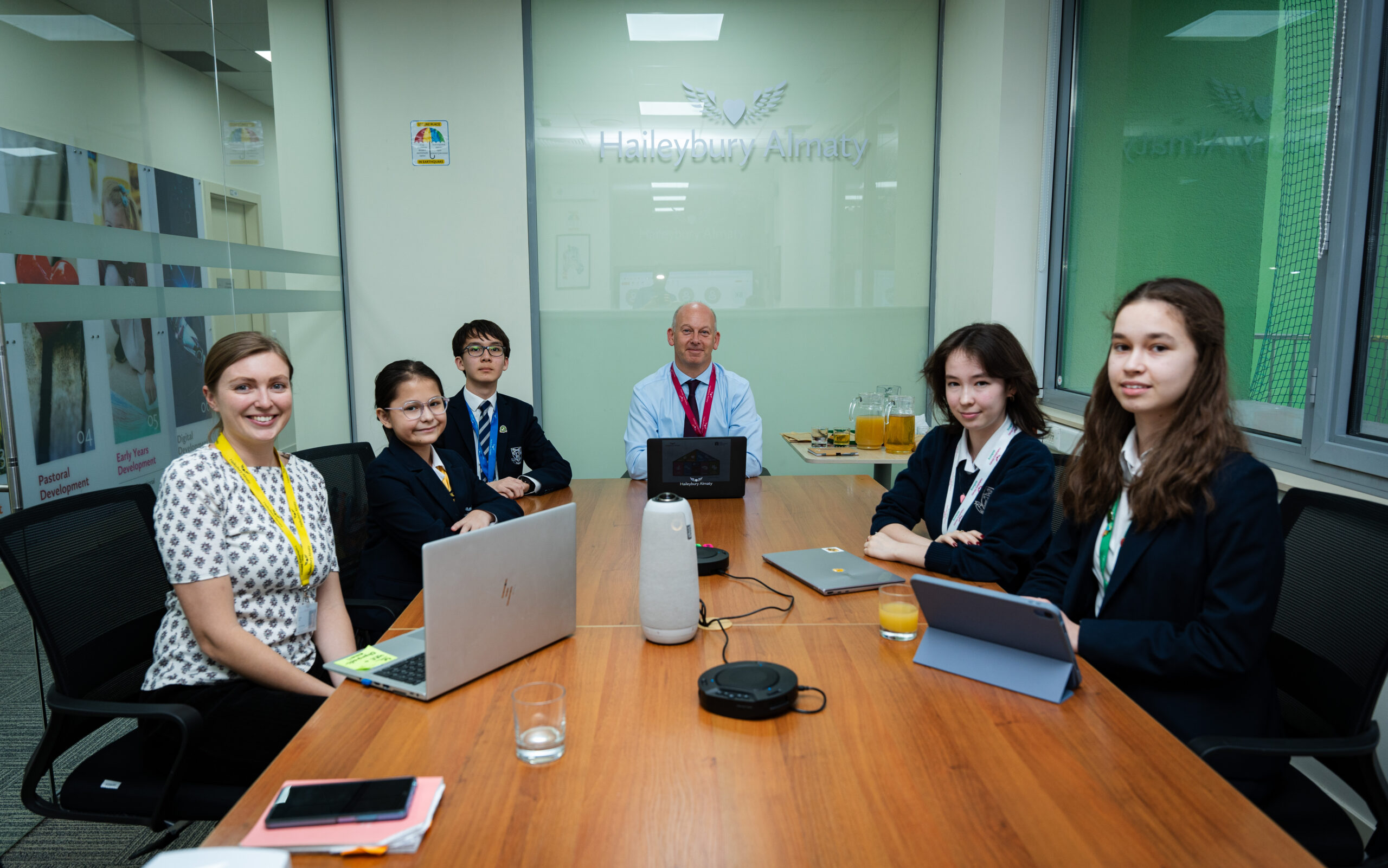  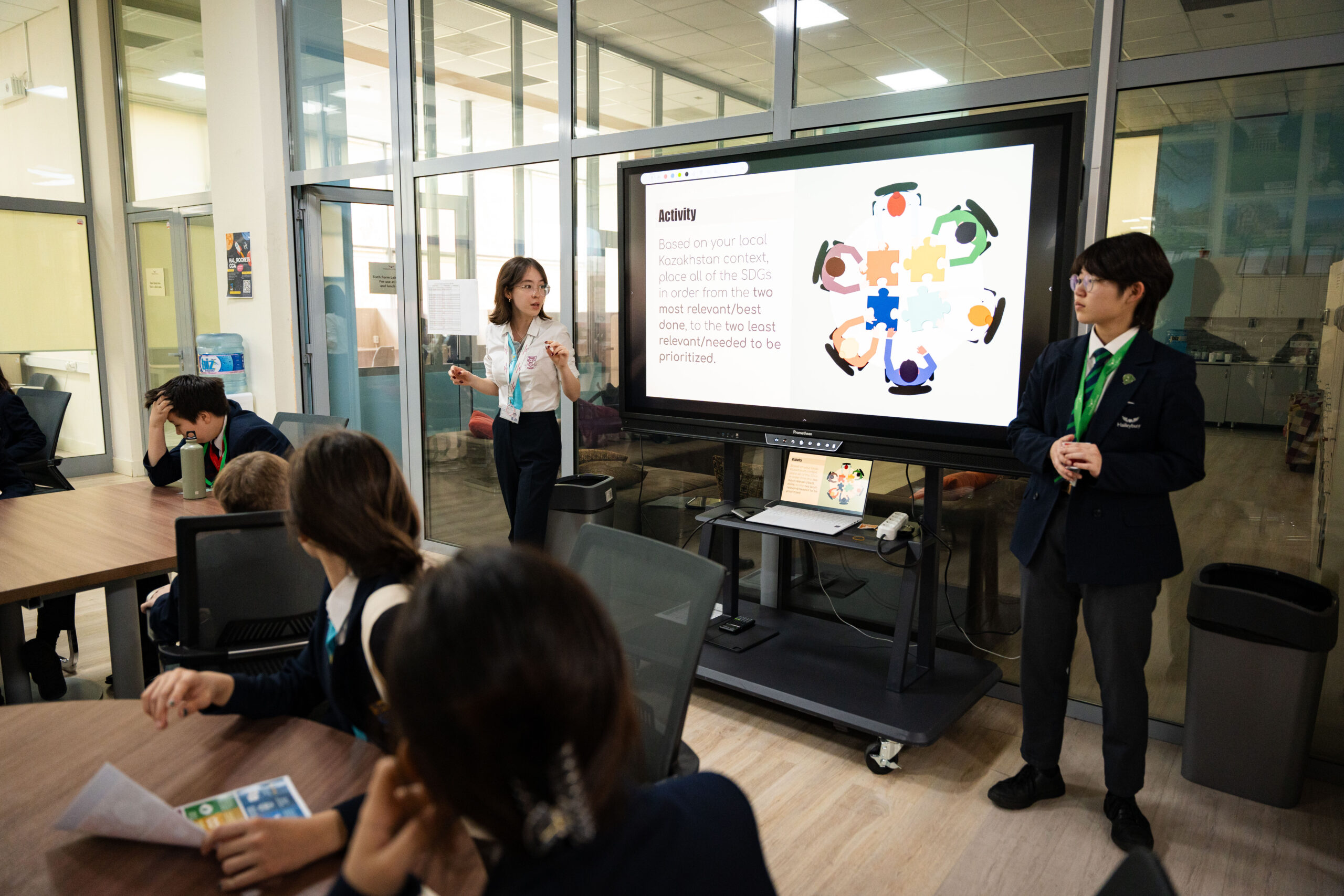 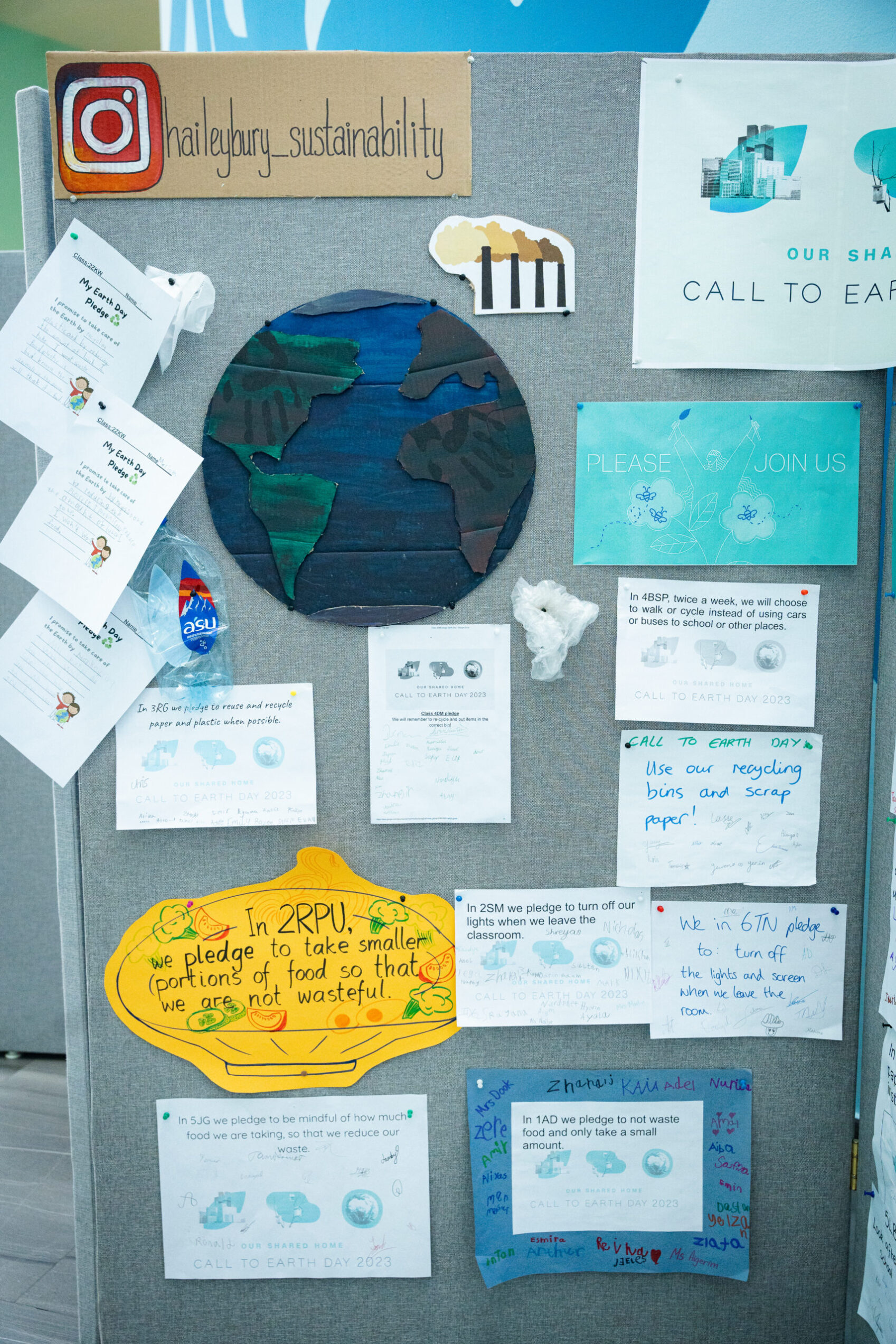 |
| Links to Media Coverage or Additional Materials: | |
| Contact Information: |
|

AmCham publishes information provided by its members and does not independently verify its accuracy or completeness. The views and claims expressed are those of the contributing organizations and do not necessarily reflect the position of AmCham.